
As temperatures drop and we move into the winter season, our skin often pays the price, from dryness, dullness and an increase in pesky spots. But, according to leading UK nutritionist and social media star Rhiannon Lambert, the secret to radiant skin this season doesn’t just come from serums and creams but more from what’s on your plate.
Recent TikTok beauty trends have popularised the idea of ‘eating your skincare’, but which foods genuinely help our skin thrive during autumn and winter? To help cut through the noise, Cult Beauty spoke to Rhiannon Lambert (better known as Rhitrition) to reveal her favourite recipe for keeping her complexion glowing despite the harsh weather.
Rhiannon explains that the “skin is the body’s largest organ, and just like every other organ, it relies on a steady supply of hydration and nutrients to function properly”. Rhiannon goes on to say, “as the colder months dry out our skin barrier, eating the right foods can help boost repair, improve hydration, and protect against inflammation, all of which are key to maintaining that lit-from-within glow”.
“Eat your way to glow” – Rhiannon’s Skincare Bowl Recipe:
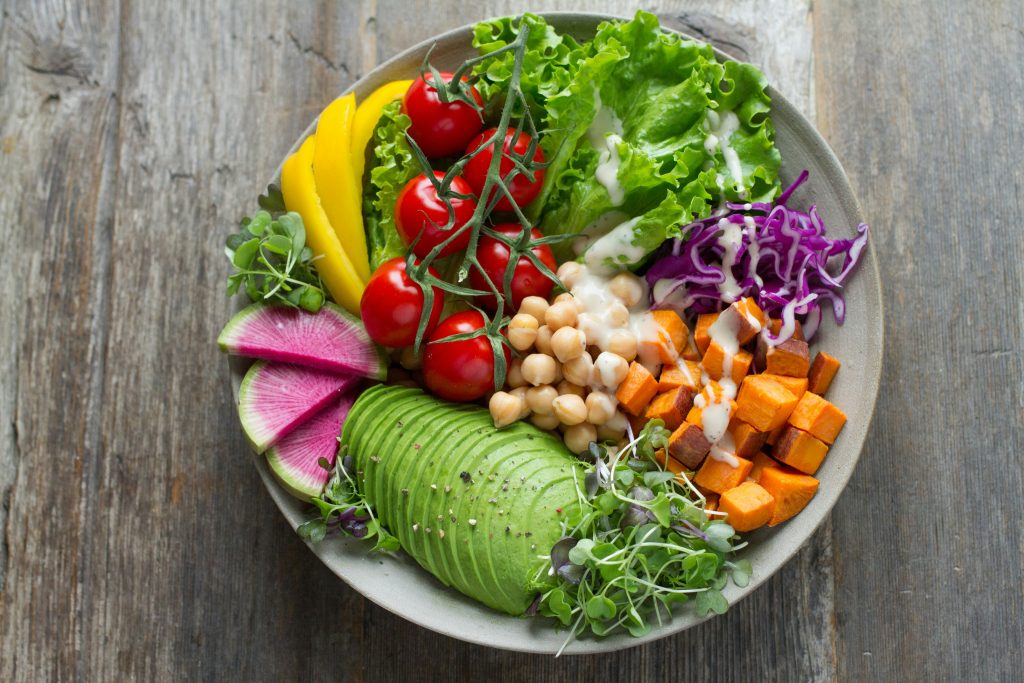
To show just how simple (and tasty) eating for your skin can be, Rhiannon has shared her go-to nourishing “skincare recipe”, a colourful, nutrient-rich bowl packed with ingredients that directly support hydration, repair and protection.
What’s inside the bowl:
- Grilled salmon fillet – omega-3 fatty acids to fight dryness and inflammation.
- Quinoa – complete plant protein, zinc and copper for repair.
- Baby spinach – vitamin C and E for antioxidant defence.
- Cherry tomatoes – vitamin C and lycopene for skin protection.
- Avocado slices – vitamin E and healthy fats for supple skin.
- Carrot ribbons – beta-carotene converted to vitamin A for renewal.
- Extra virgin olive oil & lemon juice – antioxidants and healthy fats to finish.
This skincare bowl is super easy to make, simply cook your salmon how you like it, chop up all the veggies and put them on your plate and drizzle them with a bit of extra virgin olive oil and lemon juice.
What nutrients Should You Focus on Eating Through Winter to Boost Skin Health?
Alongside Rhiannon’s favourite recipe to boost skin health, she’s also went on to share the nutrients we should be focusing on fuelling our bodies with over the autumn / winter season.
- Omega–3 Fatty Acids
While there is a wide range of nutrients that play a role in skin health, there are some that stand out as daily essentials. As Rhiannon explains, “Omega-3 fatty acids are incorporated into cell membranes and have anti-inflammatory effects that support hydration and may improve conditions such as dryness or acne.” You’ll find them in foods like salmon, walnuts, and flaxseeds. For surface-level support, look for barrier-strengthening moisturisers rich in ceramides and essential fatty acids.
- Vitamin C
“Vitamin C is a co-factor for collagen synthesis and a powerful antioxidant, protecting skin from oxidative stress and helping skin repair,” she adds. Citrus, berries and peppers provide it in your diet and it’s also one of the most popular skin care actives.
- Vitamin E
Equally important is “Vitamin E, a fat-soluble antioxidant abundant in nuts, seeds and plant oils, which protects cell membranes and works together with vitamin C to neutralise free radicals.” says Rhiannon.
- Zinc & Copper
Finally, trace minerals matter too. “Zinc supports keratinocyte development and copper contributes to collagen stability and elasticity.” A varied diet with wholegrains, beans and seeds will provide these, while barrier creams help reinforce renewal and repair from the outside in.
5 simple dietary changes for better skin
Rhiannon also highlights five everyday dietary tweaks that can help transform skin health this season:
- Eat oily fish, nuts or seeds several times a week to boost omega-3 intake.
- Aim for 30 different plant foods weekly – fruits, vegetables, whole grains, nuts, seeds, herbs, spices, pulses and even chocolate all count. Greater plant diversity supports a healthier gut microbiome, which may influence skin health.
- Stay hydrated with water and unsweetened drinks to keep skin plump and glowing.
- Swap ultra-processed snacks for whole food alternatives to reduce sugars and additives that trigger inflammation.
- Load up on antioxidant-rich plants such as berries, peppers, tomatoes, and leafy greens for protection against seasonal stressors.