
Volcanic soils, Atlantic winds and a steady drift of cultures have shaped how you eat across the Canary Islands. Markets hum from early morning, and kitchens here lean on what’s fresh, local and in season. You’ll taste Spain, but also a touch of North and West Africa, and echoes from Latin America! But which island is best for your taste?
The essence of Canary Islands cuisine
Dishes centre on what grows well in this climate: potatoes that thrive in mineral‑rich earth, peppers and herbs for punchy sauces, and seafood pulled straight from cool Atlantic currents. Mojo (usually red with paprika or green with coriander) cuts through everything, especially papas arrugadas, those salt‑crusted “wrinkly” potatoes. Fish is often grilled with little fuss, while slow stews carry deeper, home‑style flavours. Eating is social on the isles; Plates are meant for sharing!
Island-by-island food highlights

Tenerife
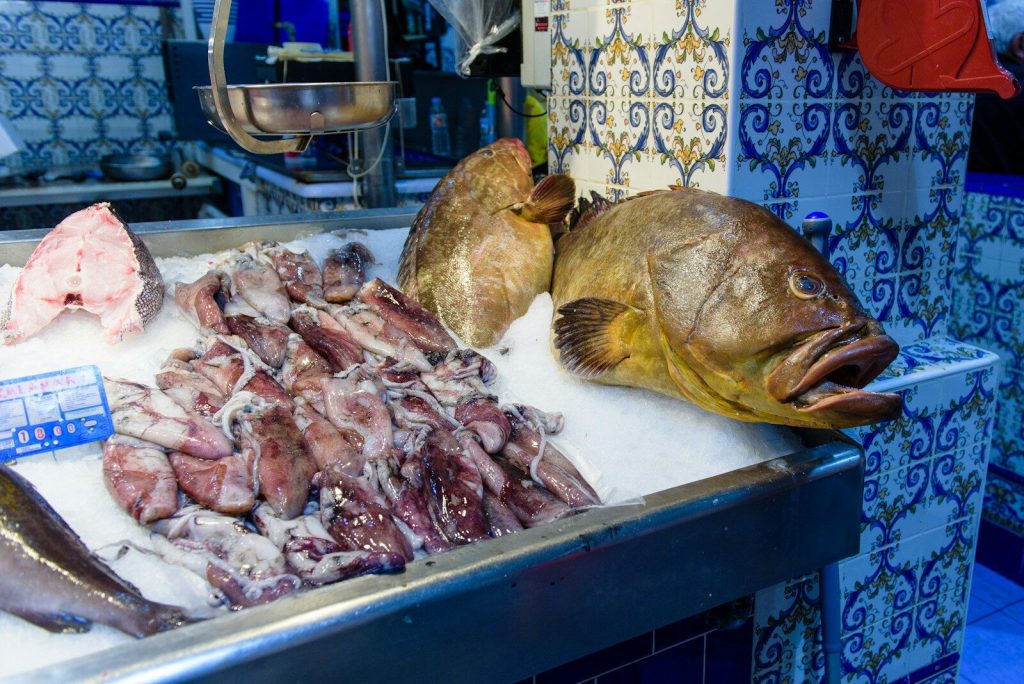
Tenerife gives you a bit of everything, which makes eating here feel wonderfully unstructured. One day you’re tucked into a local spot eating ropa vieja, slow-cooked and full of depth; the next, you’re sipping crisp volcanic wines from the Orotava Valley with views of terraced vineyards. La Laguna’s markets offer incredible cheese stalls, fresh fish laid out on ice, and bakers who know exactly what time locals show up for warm bread. Along the coast, you’ll also find lots of grilled fish and delicious garlicky prawns.
Gran Canaria
Gran Canaria leans into contrast, especially when it comes to food. In Las Palmas, you can move easily from polished tapas bars to no-frills counters serving family recipes. Look for Gofio mixed into soups and desserts alike. Sancocho canario, the island’s signature salted fish dish, lands with bold flavours and a comforting edge. Definitely have a taste of bienmesabe, a sweet almond cream!
Lanzarote
If you choose to go with a holiday to Lanzarote, its volcanic landscape shapes what ends up on your plate in a very literal way. At El Diablo, meat is cooked using geothermal heat from the ground beneath the grill, which sounds theatrical but delivers an intense flavour. The island’s Malvasía wines carry that same mineral edge, especially when paired with fresh fish.
Fuerteventura
In Fuerteventura, goat cheese leads the way; particularly Majorero, which you’ll find served soft, aged, grilled, or folded into dishes across the island. Bakeries hold their own too, especially when it comes to tarta de gofio, a dessert with a slightly nutty, toasted flavour. Head towards Corralejo and the emphasis shifts to seafood on generously portioned plates.
La Palma
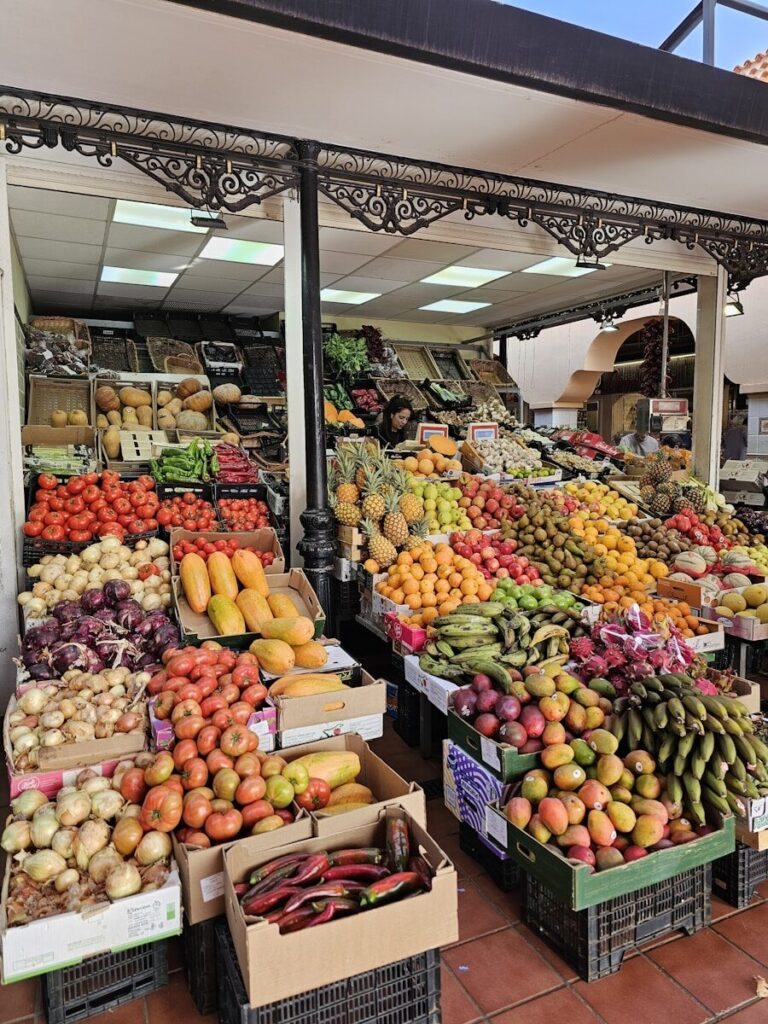
La Palma has a softer, greener feel, and you taste that in its produce. Markets brim with tropical fruits, like bananas, papayas and avocados, that often end up in both savoury and sweet dishes. Here you’ll find barraquito coffee (a most wonderful cocktail), queso palmero, and fantastic bakeries in Santa Cruz with the most delicious pastries.

La Gomera’s food is quite resourceful and traditional. Almogrote, a punchy cheese spread, is best enjoyed with a humble fresh bread. Local honey and palm syrup soften things, adding sweetness to otherwise savoury menus. Potaje de berros, a watercress soup, is simple, nourishing, and full of character. The best meals often come, as always, from small, family-run spots.
El Hierro
El Hierro keeps things stripped back in the best way. Lapas, small limpets grilled and finished with mojo, arrive quickly and disappear just as fast. Quesadilla here isn’t what you might expect! Instead, it’s a lightly sweet, cheese-based cake – definitely give that one a try!
La Graciosa
La Graciosa is often overlooked, but wrongly so! In Caleta de Sebo, seafood comes straight from boat to plate, often grilled with little more than oil and salt. There’s no excess here, no crowding of flavours. Beachside spots serve fish with sand underfoot and sea views ahead. Finish with a homemade dessert from a small café, something simple and sweet, and you’ll understand why less often works better here!
Where to eat (and how to choose well)
As always, when looking for a great place to eat, check for a few signs. Look for places that feel lived-in. Plus, if you hear more Spanish than English, you’re on the right track. Coastal restaurants shine at lunch, when the catch is freshest and the light does half the work for you. Inland, you’ll find slower, heartier cooking. It’s worth asking what’s off-menu or made that day; some of the best bites never make it onto a printed list! Portions tend to be generous, so sharing keeps things varied without over-ordering. And if you’re unsure, just ask! Most places are happy to steer you towards what they’re proud of.