

Britain takes its tea seriously – or at least we like to think we do.
We debate whether the milk should go in first, have surprisingly strong opinions about how long a teabag should brew and know that there are few problems that aren’t improved, at least marginally, by putting the kettle on.
But ask the average tea drinker where the leaves in their morning cuppa were grown and the conversation may become rather less confident.
Coffee has undergone a remarkable transformation. Once largely a choice between instant or filter, today’s consumers routinely encounter information about single-origin beans, altitude, processing methods, roast profiles and individual growing regions.
Coffee shops have taught us to care about provenance.
Could tea be next?
Family-owned British tea company Birchall Tea certainly thinks so – and it is investing £1 million in an ambitious campaign designed to persuade Britons to look beyond the teabag.
We Care About Tea’s Taste – But Rarely Its Origins
New YouGov research commissioned by Birchall reveals an interesting contradiction in Britain’s relationship with tea.
Taste is the biggest consideration when choosing tea, cited by 60% of UK adults – exactly the same proportion as for coffee.
But while coffee drinkers have become accustomed to asking questions about provenance, tea remains surprisingly driven by habit.

Only 6% actively seek higher-quality tea, while just 2% say where the tea was grown or produced is their primary consideration.
Consumers are also 15% more likely to consider the country or region of origin when buying coffee than they are when choosing tea.
It raises an intriguing question:
Are millions of us drinking tea every day without really knowing what we’re drinking?
What Makes One Cup of Tea Taste Better Than Another?

Anyone who has explored speciality coffee will be familiar with the idea that geography matters.
Altitude, rainfall, temperature, soil and growing conditions can influence what’s eventually experienced in the cup. Tea has its own relationship with terroir, yet it isn’t something routinely discussed in the supermarket tea aisle.
Birchall wants to change that.
The fifth-generation family tea business is launching its largest marketing campaign to date this September, including its first television advertising campaign and a series of films taking viewers to the East African landscapes where its tea originates.
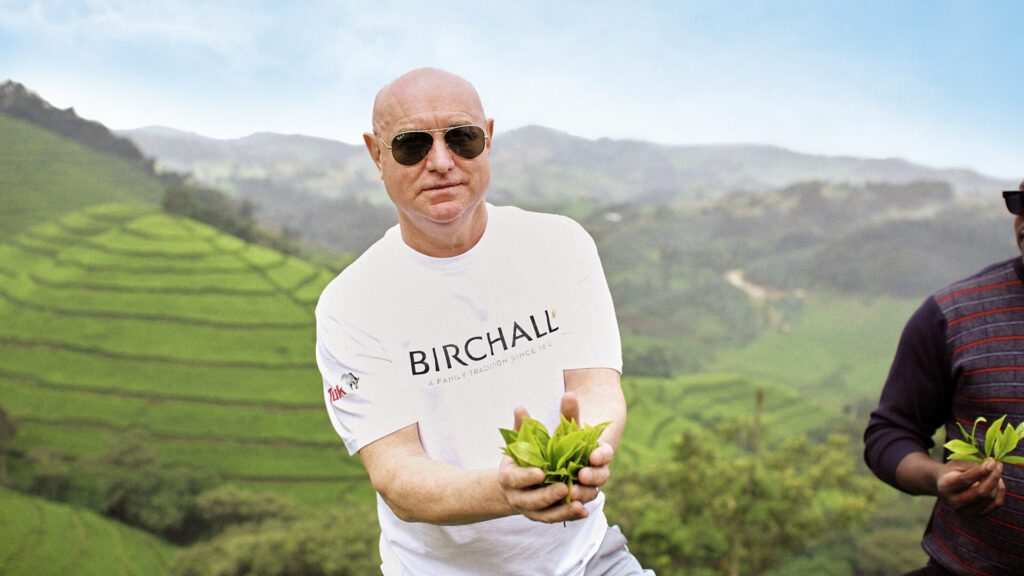
The campaign centres on Great Rift Breakfast Tea, which Birchall says has become the first UK tea brand to win a Great Taste Award for 16 consecutive years.
Across its wider range, the company has collected 101 Great Taste Awards since 2011.
The campaign is expected to reach more than five million people across television, social media and digital channels.
From Rwanda to Your Breakfast Table
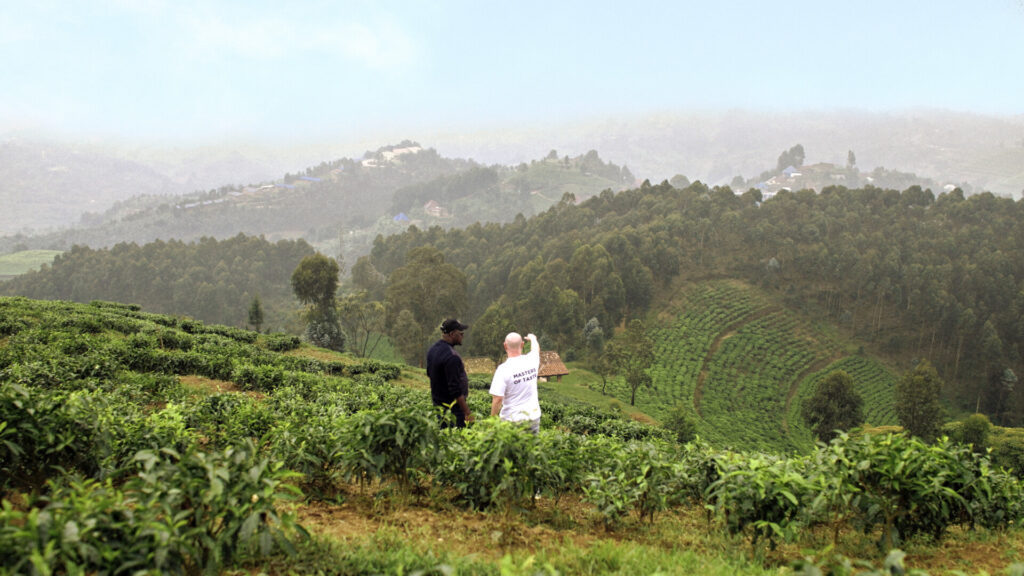
Perhaps the most interesting part of the campaign for dedicated food and drink enthusiasts is a six-part film series exploring tea production in Rwanda and Kenya.
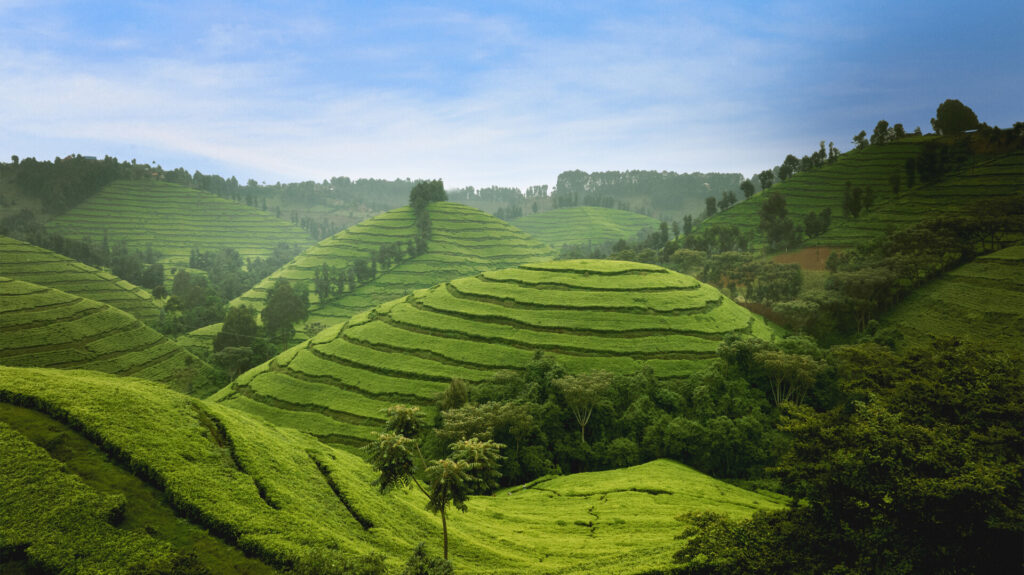

Each episode runs for around two minutes, with the complete series forming a 13-minute film.
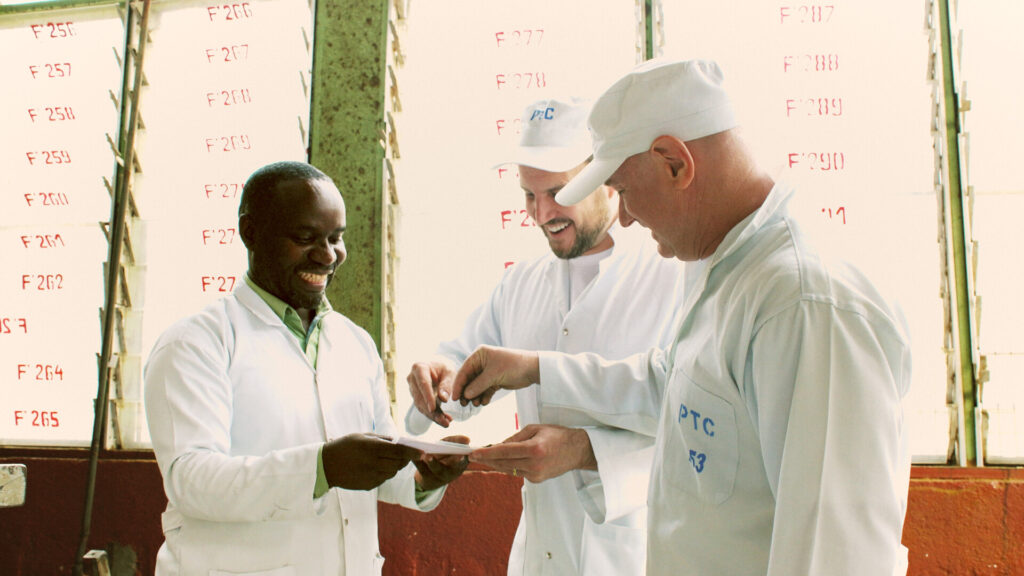
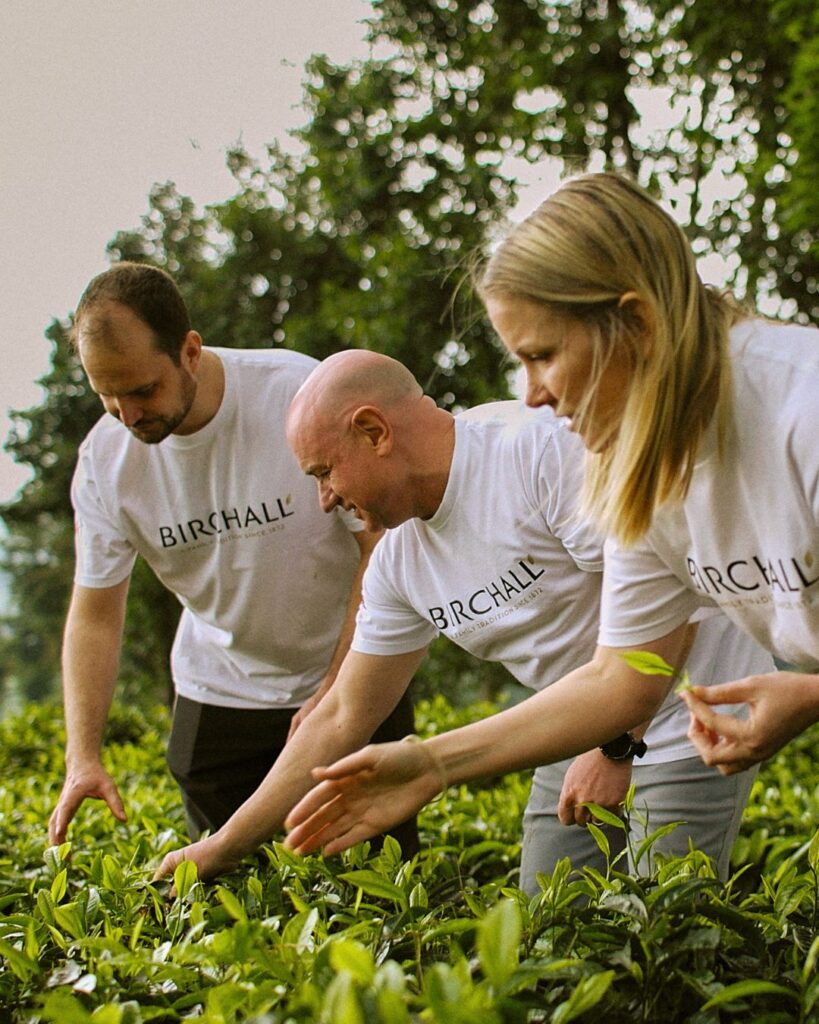
Fifth-generation tea expert Dan Graham travels through the region alongside conservation leaders supported by African wildlife conservation charity Tusk.
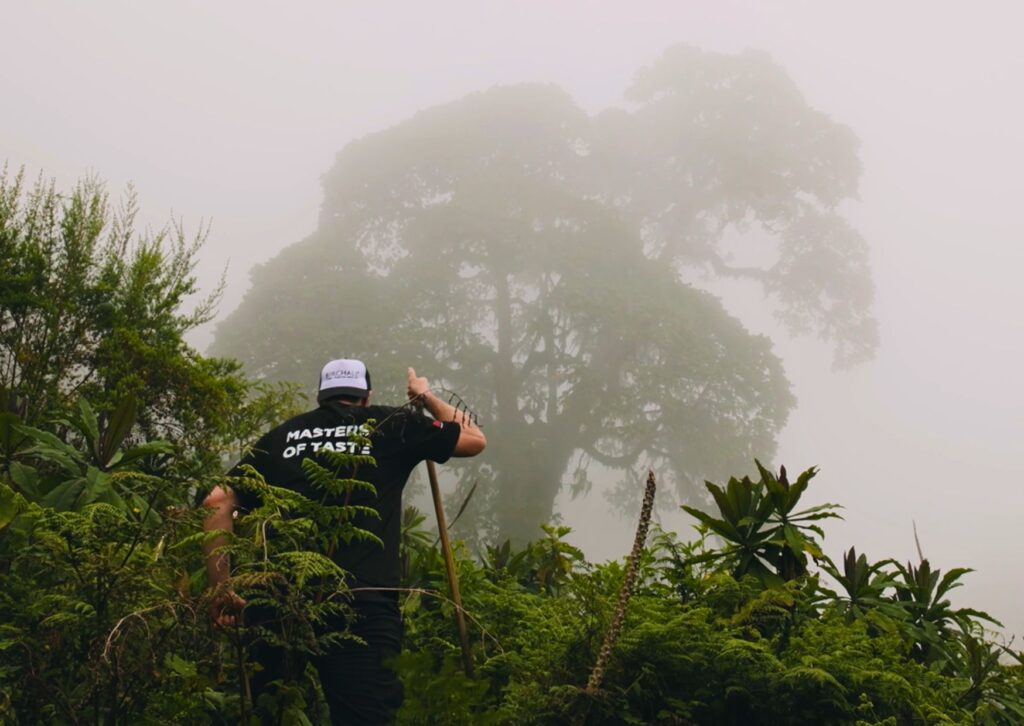

Viewers are introduced to the role played by altitude, climate and soil, alongside the expertise required to produce quality tea.

It is exactly the sort of storytelling that has become commonplace in speciality coffee – but considerably less familiar to mainstream British tea drinkers.
Could Provenance Become the New Way We Choose Tea?
There are signs that some consumers are already becoming more adventurous.
According to the YouGov research, younger tea buyers appear considerably more willing to experiment.
Among 25 to 34-year-old tea buyers, 10% say they regularly try different teas or brands. That falls to just 2% among those aged 45 to 54.
Yet younger consumers are also surprisingly influenced by family tradition. Some 21% of tea-buying 18 to 24-year-olds usually choose a brand they grew up with or that their family drank, compared with only 6% of over-55s.
Older consumers, meanwhile, appear particularly loyal to their established brew. Some 40% of tea-buying over-55s say they normally buy the same tea they have always bought, compared with 21% of 18 to 24-year-olds.
For a food and drink industry that would like consumers to explore premium teas in much the same way they now explore coffee, breaking those habits could be the biggest challenge.
Londoners Are More Curious About What’s in Their Cup

There are geographical differences too.
London’s tea drinkers appear more interested in provenance than the national average, with 12% considering country or region of origin when buying tea, against 9% nationally.
Some 15% of London tea buyers consider ethical or sustainability credentials, compared with 11% across Britain.

They’re also less likely to automatically reach for the familiar box. Just 27% say they usually buy the same tea they have always bought, compared with 32% nationally and 42% in the East of England.
Women are slightly more taste-focused than men, with 63% considering taste when choosing tea compared with 57% of men. Women are also more likely to consider ethical credentials.
Tea, Wildlife and the Landscape Behind the Leaves

Birchall’s campaign also highlights something increasingly important to consumers: the relationship between food production and the environment in which it takes place.
The company has a long-standing partnership with conservation charity Tusk, with a contribution from every pack of Great Rift Tea sold supporting the charity’s work.
The films explore the connection between healthy ecosystems, biodiversity, tea-growing communities and the quality of the crop itself.
Dan Graham, Founder and Managing Director of Birchall Tea, said:
“For years, tea has largely been bought out of habit. Our new research bears that out, with over 40% of tea buyers sticking with the tea they’ve always bought or a brand they grew up with. Yet taste is still the single biggest consideration when people buy tea. We want to encourage people to think more about what creates that taste, and to start asking the same questions they ask about coffee: where was it grown, who produced it and what makes it special? Great tea has an incredible story to tell, and we think it’s time more people discovered it.

“Coffee has transformed over the last decade. People have become fascinated by where it comes from, how it’s grown and what influences its flavour. We’d love to see tea appreciated in the same way.
“Tea is one of Britain’s favourite drinks, yet very few people ever get to see where it begins. Visiting Rwanda reminded us that exceptional tea starts long before it reaches our cups. Healthy landscapes, skilled growers and thriving biodiversity all play a part in creating exceptional flavour, which is why our partnership with Tusk is so important.
“We hope this campaign encourages more people to look beyond the tea bag and discover the remarkable story behind every brew.”
So, Can Tea Really Have Its Coffee Moment?
There’s certainly an opportunity.
Britain already loves tea. The challenge isn’t convincing people to drink it; it’s persuading us to become more curious about what we’re drinking.
Coffee’s transformation didn’t happen overnight. Consumers gradually learned that beans grown in different countries could taste markedly different, that processing mattered and that paying a little more could produce an entirely different drinking experience.
Tea arguably has many of the same stories to tell.
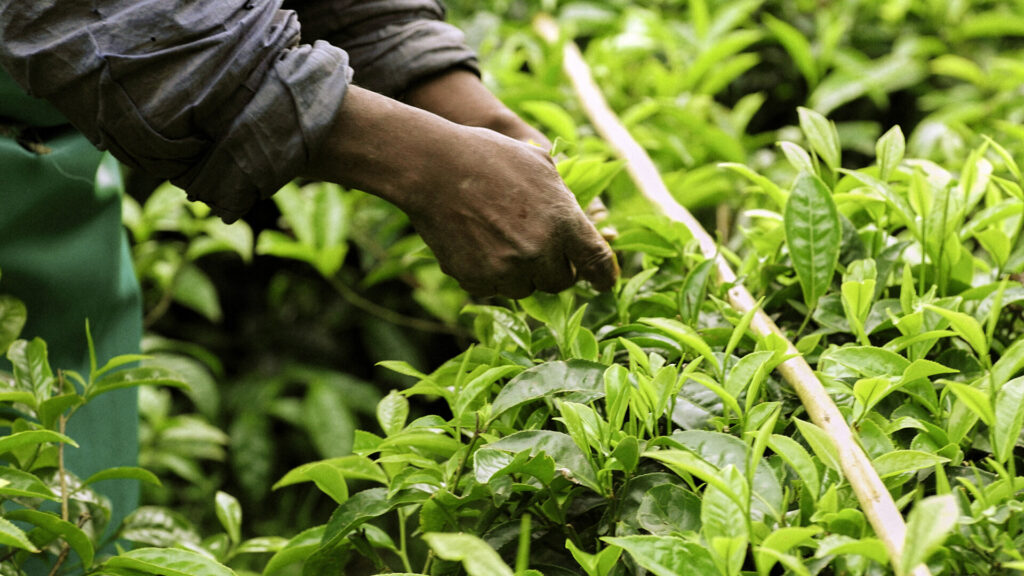
If consumers begin exploring individual growing regions, varieties, harvesting methods and flavour profiles – rather than simply buying the box they’ve always bought – the humble British cuppa could be entering a surprisingly interesting new era.
And perhaps the next time somebody asks how you take your tea, the answer won’t simply be “milk, no sugar.”
It might be: “Where was it grown?”
The YouGov research was conducted online among 2,091 UK adults on 25–26 August 2026. Figures were weighted to be representative of UK adults aged 18 and over. Findings relating to how consumers usually choose tea were based on 1,609 respondents who buy tea.
Find out more: Birchall Tea