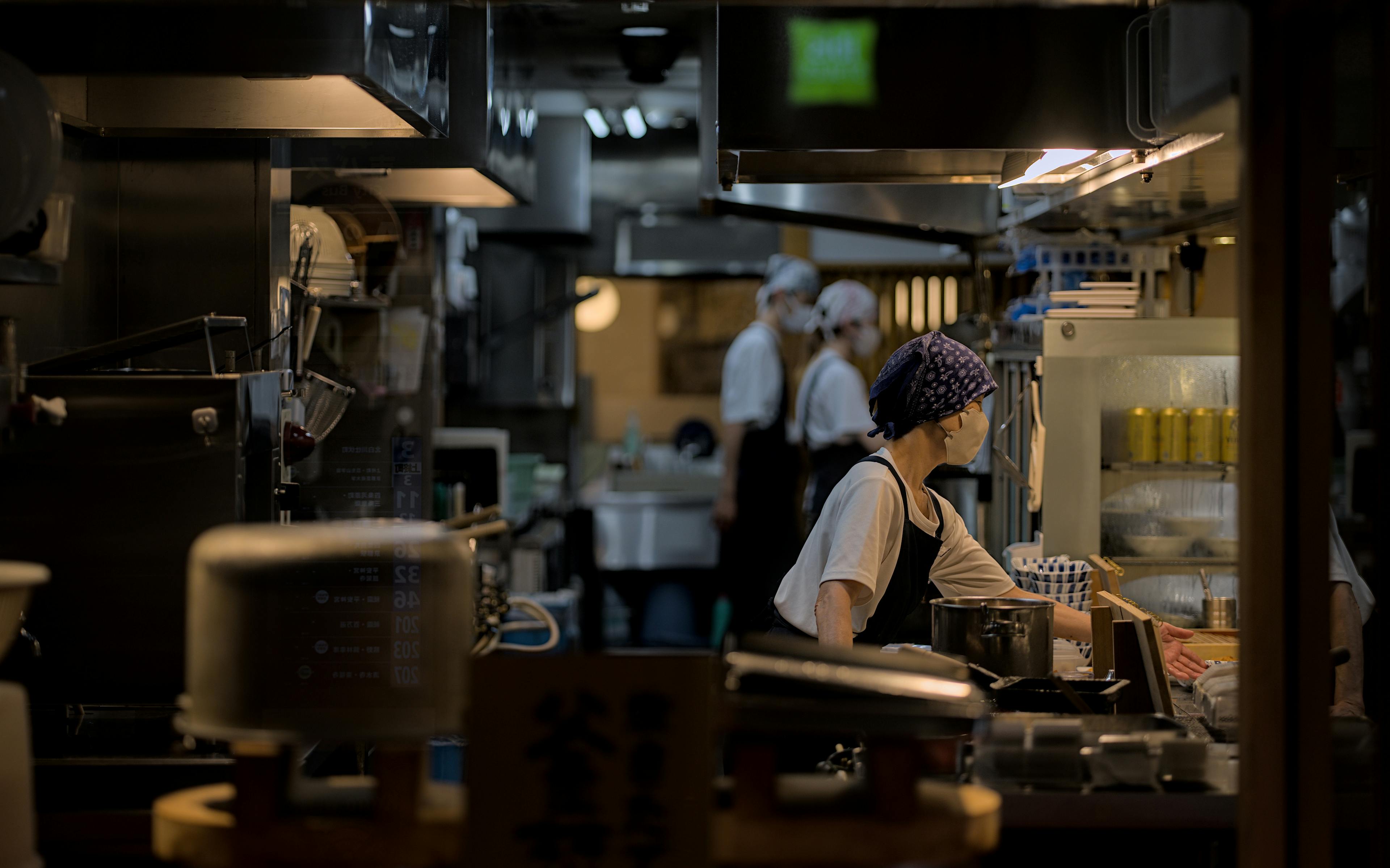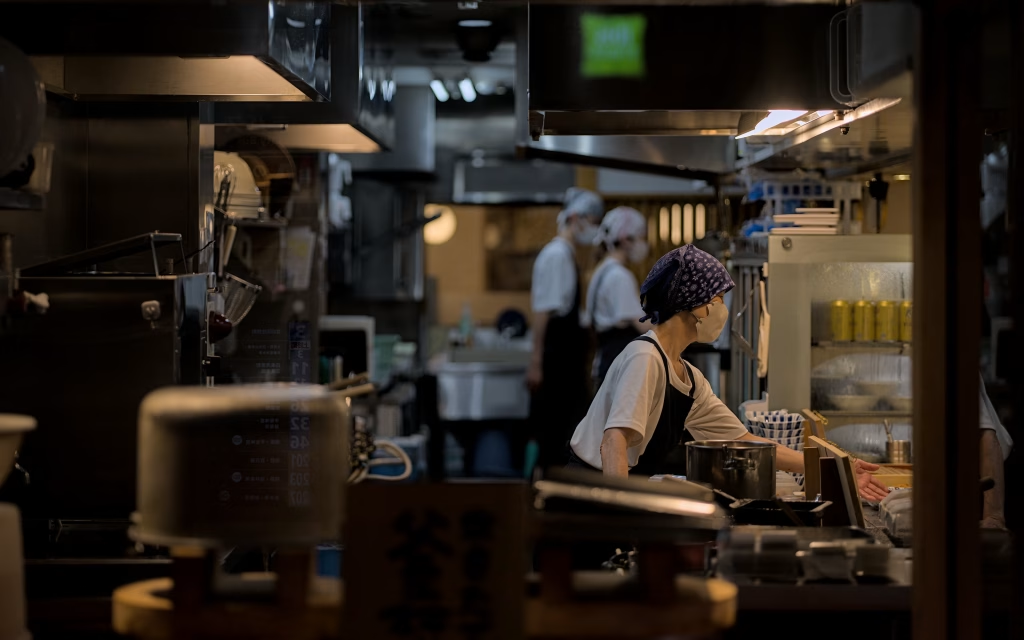
Food businesses depend on routines that keep customers, staff and premises safe every day. A missed temperature check, an unlabelled ingredient or a slippery floor can lead to illness, injury and costly disruption. Clear procedures help cafés, restaurants, takeaways and mobile caterers control these risks while meeting their legal responsibilities.
The World Health Organisation estimates that unsafe food causes around 600 million cases of foodborne illness worldwide each year. Its overview of global food safety shows why prevention must remain part of everyday business management, from receiving ingredients through to serving the customer.
Understanding Food Hygiene Rules
Food hygiene starts with controlling the points where contamination or bacterial growth could occur. Businesses should examine each stage of their operation, including deliveries, storage, preparation, cooking, cooling and service. Written procedures give staff a consistent process to follow and provide evidence that managers have considered foreseeable risks.
Temperature control needs particular attention. Chilled products should move into suitable refrigeration promptly, while cooked food must reach a safe internal temperature before service. If a café prepares soup in the morning for lunchtime customers, for example, the team should record the cooking temperature and maintain safe hot-holding conditions. Any leftovers intended for reuse need controlled cooling, clear dating and safe storage.
Cross-contamination is another common concern. Separate equipment for raw and ready-to-eat ingredients, effective handwashing and regular surface cleaning all reduce risk. Practical food safety guidance covers core controls that managers can adapt to their premises.
Records should be useful, not completed automatically and forgotten. Cleaning schedules, fridge logs and supplier details can reveal recurring issues, such as a refrigerator that struggles during busy periods. Managers should review these records regularly and act when readings fall outside their agreed limits. Staff also need a clear way to report damaged packaging, pest activity or equipment faults before those problems affect customers.
Workplace Safety for Staff
Kitchen and service teams face risks beyond food contamination. Wet floors, hot surfaces, sharp utensils, heavy stock and repetitive lifting can all cause injuries. A practical risk assessment should identify who might be harmed, what controls are already in place and what further action the business needs to take.
Simple changes often have an immediate effect. Clean spills as soon as they occur, keep walkways clear and store frequently used items between knee and shoulder height. Staff who carry hot trays need an unobstructed route, while anyone handling cleaning products should understand the label instructions and use suitable protective equipment. Equipment guards and extraction systems also require scheduled checks.
Training must reflect the job each person performs. A new employee shouldn’t operate unfamiliar machinery or lift a heavy delivery without instruction. Short refreshers are useful after a near miss, a change to the menu or the installation of new equipment. Managers should record who received training, the topics covered and the date.
Good controls reduce the chance of an incident, but they cannot remove every source of business exposure. Owners may also choose to protect their catering business with liability cover as part of their wider approach to managing claims and financial risk. The cover selected should reflect the operation’s actual activities, staffing arrangements and customer service model. Insurance works alongside safe systems, maintenance and training, so policy details should be reviewed when the business changes.
Managing Allergy Risks
Food allergies require precise information and disciplined handling. A small amount of an allergen can cause a serious reaction, so staff must never guess when a customer asks about ingredients. If the answer isn’t clear, they should pause the order and check an up-to-date recipe or product label.
Create a central ingredient record for every dish, including sauces, garnishes and bought-in products. Suppliers sometimes change recipes, which means an ingredient list copied months ago may no longer be accurate. Check packaging when deliveries arrive and update the business record when a product changes. Staff should also know who has authority to confirm allergen information during each shift.
Communication between the person taking an order and the preparation team needs a defined process. For an allergy order, this might include marking the ticket clearly, verbally alerting the kitchen and confirming the finished dish before service. Clean hands, worktops and utensils help limit unintended allergen transfer, but businesses should only promise an allergen-free dish when their controls can support that claim.
Menus and online ordering pages need consistent information. An outdated digital menu can mislead a customer even if the printed version is correct. Regular menu audits should cover every sales channel, including third-party delivery listings.
General safe food handling steps also support allergen controls by reinforcing organised preparation, clean equipment and careful storage. If an error occurs, staff need to know how to stop service, contact the customer where possible and record what happened for investigation.
Why Protection Matters
Safety failures can affect far more than one service period. A customer complaint may lead to wasted stock, cancelled bookings, staff time spent gathering records and scrutiny from regulators. A workplace injury can leave a shift short-staffed while creating medical, administrative and financial consequences. Risk management for hospitality businesses can also help owners consider how different operational risks may affect their business.
Preparation limits the damage. Keep supplier invoices, training records, maintenance reports and completed safety checks in an organised system. If a customer reports becoming unwell, note the time, meal and contact details, then preserve relevant records and any available food samples in line with professional guidance. Staff should avoid speculation or admissions before the facts have been established.
Every business also needs plans for predictable disruption. Refrigeration may fail overnight, water supplies can be interrupted, and a key employee may become unavailable during a busy service. Set out who has authority to discard stock, stop production or close part of the premises. Contact lists for equipment engineers, suppliers and senior managers should be accessible without relying on one person’s mobile phone.
Routine inspections can uncover issues before they become incidents. Managers might review storage temperatures at opening, check floor conditions before a busy period and inspect extraction equipment on a fixed schedule.
Protection also includes honest communication. If a delay or equipment fault affects safe service, tell customers what has changed. A limited menu for one evening is preferable to serving food when essential controls cannot be maintained.
Building a Safety Culture
Policies only work when people follow them during real shifts. A safety culture develops when managers set clear standards, provide the necessary time and equipment and respond constructively when staff raise concerns. Employees are more likely to report a faulty fridge or missing label when they know the issue will be addressed.
Managers should demonstrate the behaviour they expect. Washing hands at the correct times, recording checks accurately and stopping an unsafe task show that the rules apply to everyone. Pressuring staff to skip cleaning or rush allergy checks sends the opposite message, even if written procedures appear sound.
Keep reporting straightforward. A notebook, digital form or shift log can capture hazards, near misses and corrective action. Review entries during team meetings and explain what changed. For example, repeated spills near a drinks station might lead to a revised layout, a different floor mat and more frequent checks during peak hours. That visible response proves that reporting produces results.
Training should continue beyond induction. Use brief sessions to discuss one recent issue, test knowledge of an updated recipe or practise the response to refrigeration failure. Temporary and seasonal workers need the same core information as permanent staff before they begin unsupervised duties.
Business owners should also review the whole safety system after menu changes, refurbishment or expansion into delivery services. New ingredients, equipment and working patterns introduce different risks. A food business that treats each report, temperature record and allergy query as useful operational information is better placed to keep standards consistent, even during its busiest service.
Image Credit: Pexels