How to grow more of your own food at home
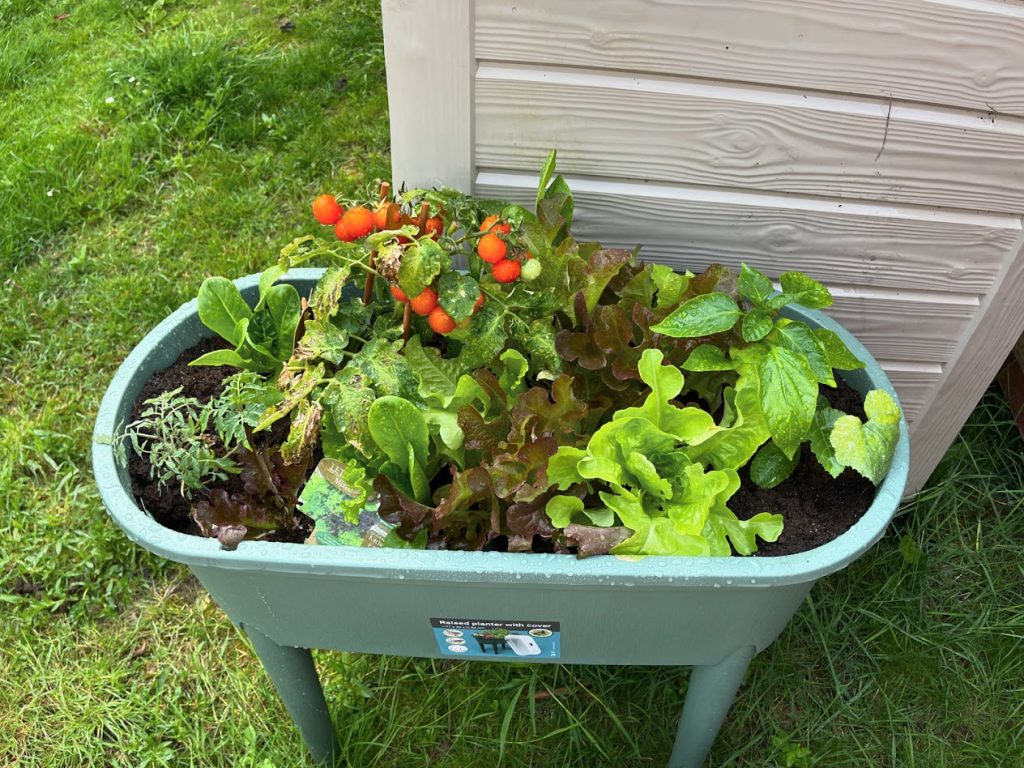
raised beds for gardening smaller crops like salad and tomatoes
Growing your own food offers more than a way to fill your plate. It gives you greater control over what you eat, helps you cut food miles and brings a sense of satisfaction that few shop-bought vegetables can match. Many gardeners start with a handful of herbs or a tomato plant and soon realise how much food they can produce from even a modest outdoor space.
Whether you have a large garden, an allotment, a compact patio or a sunny balcony, you can increase your harvest by making smart choices.
Start with the right growing conditions
Healthy crops begin with healthy growing conditions. Before you choose what to grow, spend time understanding the environment you can offer. Most fruit and vegetables thrive in a spot that receives at least six hours of direct sunlight each day. Leafy crops such as lettuce and spinach cope better with partial shade, while tomatoes, peppers and courgettes perform best in full sun.
Good soil makes a huge difference to the quantity and quality of your harvest. Adding garden compost or well-rotted organic matter improves soil structure and helps roots access water and nutrients more effectively. If your garden contains heavy clay or very sandy soil, regular additions of organic matter can gradually improve growing conditions and boost productivity.
Make the most of your available space
Many gardeners underestimate how much food they can grow in a small area. Instead of focusing only on traditional vegetable beds, look for opportunities to grow vertically and fill unused spaces. Climbing beans, cucumbers, peas and squash can all grow upwards on supports, freeing valuable ground space for other crops.
Succession planting also increases productivity. Rather than sowing a single crop once, you can replace harvested vegetables with new plants throughout the season. After lifting early potatoes, for example, you might plant salad leaves, beetroot or spring cabbage. Containers provide another useful option, especially if you have limited ground space.
Extend the growing season at home
Protection from cold weather allows you to start crops earlier in spring and continue growing later into autumn and winter. Cloches, cold frames and greenhouses all help create a warmer environment for plants.
And polytunnels offer an especially effective solution if you want to grow food for more months of the year. The sheltered conditions protect crops from harsh weather while creating higher temperatures that suit tomatoes, peppers, chillies and many salad crops. You can also sow certain vegetables earlier than you could outdoors, giving plants extra time to mature and produce.
Build sustainable growing habits
Consistent habits often influence harvest size more than expensive equipment. Regular watering encourages steady growth, particularly during dry periods when fruiting crops need reliable moisture. Mulching around plants helps the soil retain water while reducing weed growth.
Keeping a simple gardening journal can help you track successes and mistakes from year to year. Recording sowing dates, harvest times and crop performance allows you to refine your approach and improve results over time. Composting kitchen peelings and garden waste also creates a valuable source of free organic matter that supports future crops.