Should the catering industry expect more support from the Government?
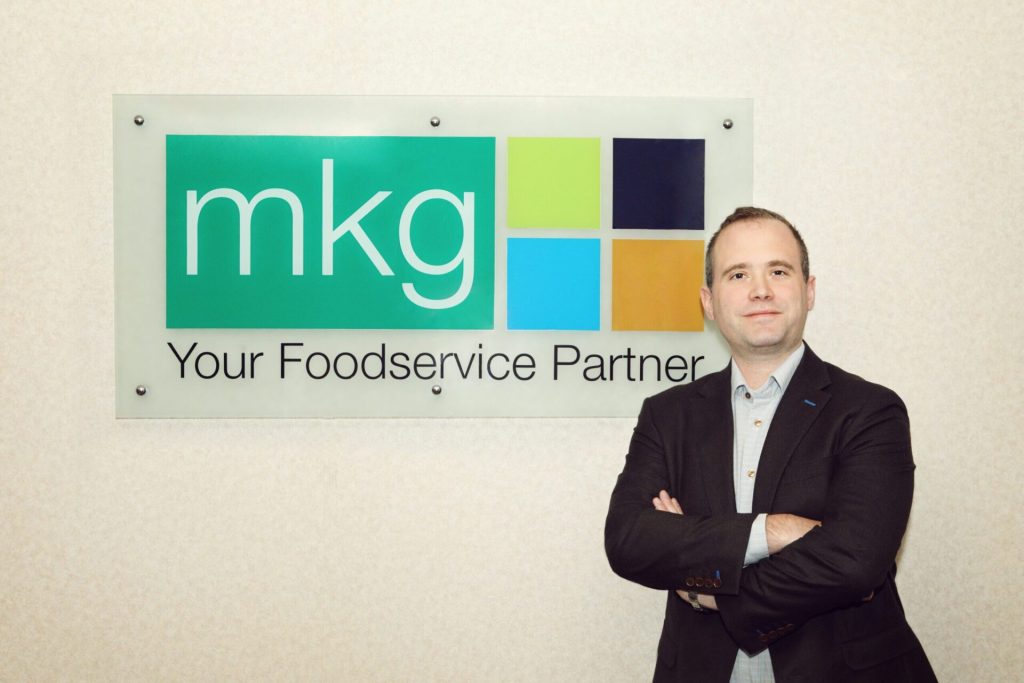
Written by Philip Mayling, Director of Midlands-based food supplier MKG Foods,
When it comes to industries which have been hard hit by the challenges of recent years, it’s fair to say the catering sector has taken its fair share of knocks. An almost total shutdown, multiple times, for months on end during the pandemic; the exodus of 120,000 European workers following the Brexit referendum; the cost-of-living crisis impacting how often families can dine out: each of these problems on its own is substantial, and combined they have been a years-long endurance test for businesses.
From one side, catering companies have suppliers needing to hike up prices to cover their increased costs, while retailers buying from caterers are seeking the very best deals to keep themselves afloat, and consumers have less money in their pockets than before. The catering sector sits in the middle, juggling a precarious situation to keep enough money coming in to ensure their own profitability.
Has Government policy impacted catering?
With the Covid measures put in place to keep the sector going through the pandemic a distant memory, the Government has turned its attention to boosting the economy.
Catering, like so many other sectors, has seen the introduction of increased employer National Insurance Contributions (from 13.8% to 15%); more employee rights particularly around flexible working; and the increase of National Minimum Wage by between 6.7% and 18% depending on the employee’s age.
It’s expected employers across the whole economy will experience a 2.5% increase in costs, while hospitality is predicted to see costs rise by 3.8% due to the large number of 18 to 20 year olds employed in this sector, who must now be paid at least £10 an hour (compared to the previous minimum wage for that age bracket of £8.60).
When it came to the Spring Statement, there was some anticipation that catering, or the wider food and drinks industry, might be on the receiving end of some good news. Yet when Chancellor Rachel Reeves announced her plans, the sector was overlooked and the focus was much more around defence and construction.
What could be done to support the industry?
Whilst any growth in the economy is to be celebrated by business owners, we’re not yet at a steady point: the latter part of 2024 had looked favourable, but the economy shrunk by 0.1% in January 2025. With so many sectors struggling with the challenges of recent years, there is doubtless a heavy burden upon the Government to ensure they’re all looked after and nurtured.
Around 3.5 million people are employed in the catering and wider hospitality industry, so its long-term survival is essential – not just for all those individuals and their families, but for the wider network of people and places which rely on the sector, including the schools, hospitals and care homes who need meals for the vulnerable people they look after.
So, what could the Government do? It’s clear that there is unlikely to be a reversal of the National Insurance and Minimum Wage increases, and eligible businesses are already receiving 40% off their business rates bill for the current tax year (down from 75% last year) with this relief set to end in March 2026.
A core area of focus is the costs associated with food and drinks, which increased by almost 20% in the year to 2023 according to the Office for National Statistics. While this has slowed down, costs are still rising steadily – and this applies to the catering industry as well as the end consumer.
The Chancellor has spoken at length about increasing the disposable income the average family has after paying their bills, but we’re unlikely to see the sort of profit influx needed to keep the catering sector buoyant without also addressing the huge amount of money it takes to prepare food and drinks for the end consumer. It’s not enough to simply encourage people to spend within the hospitality sector, we also need to make it affordable to do so, and this must involve a review of ingredient costs so that catering firms can keep prices lower while staying profitable.
The catering workforce
The Government also needs to review the skills gap it acknowledges exists across many sectors in the UK. When it comes to catering and hospitality, staff turnover is double the UK average at 30% according to Deputy, and YouGov states 42% of staff leave their job within the first 30 days.
More thorough promotion of the catering industry to job seekers, and an emphasis on training which would prepare new recruits for a role within the sector – as well as upskilling the workforce – could see businesses and public organisations such as colleges working hand in hand to build skills and reduce staff turnover. Not only does this have a positive impact on the economy as a whole, it also saves a huge amount of time and cost for catering businesses. Replacing an employee can cost anywhere upwards of 30% of their annual wage (Access Group), not to mention the time managers spend away from their day-to-day jobs seeking, interviewing and training new recruits.
Turning a corner
The catering businesses which have survived the past few years, or even started up despite industry challenges, have shown an incredible amount of resilience and fortitude. And they will continue doing so.
But to have the backing of the Government, to see new policies being introduced specifically to support the wider hospitality sector, and to have a path forward throughout whatever difficulties are to come – that would signal the powers-that-be understand just how crucial the catering industry is within the UK, and that enabling it to thrive will have a significant impact on the wider economy.
About the author
Philip Mayling is Director of Midlands-based food supplier MKG Foods, which serves hundreds of establishments across the UK — from care homes and restaurants to bars and football clubs.