Toxic Baby Food Lawsuits Target 4 Ingredients Found in Nearly Every Pantry
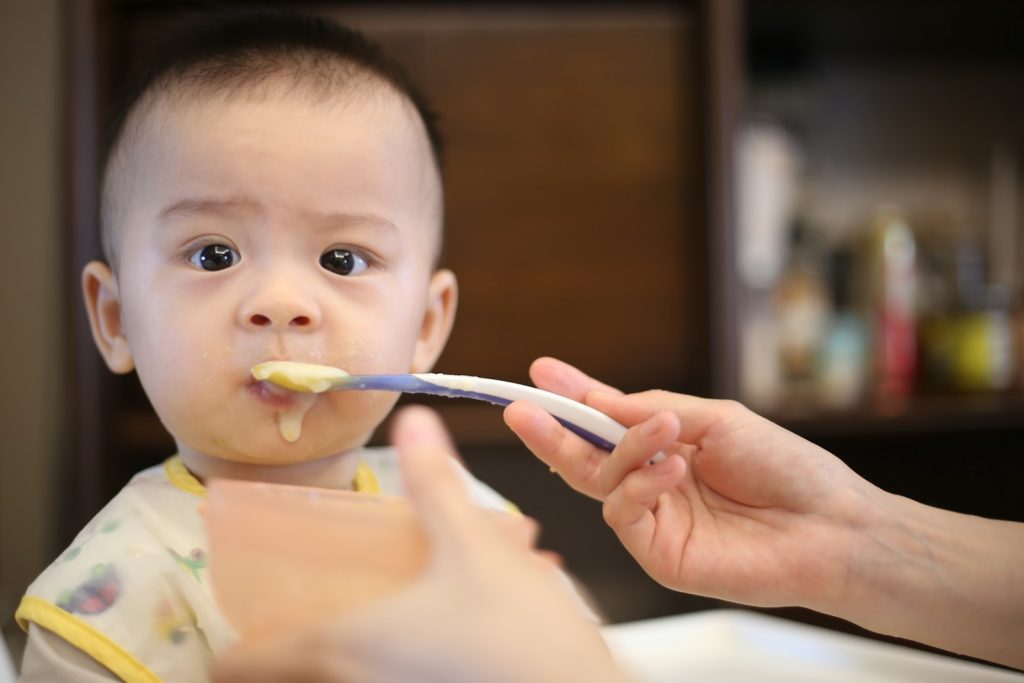
Investigations found that baby food manufacturers routinely sell products containing heavy metals, pesticide residues, and industrial chemicals at levels that exceed safety standards.
Infants consume 2-7 times more food per body weight than adults, while their kidneys and liver process toxins at only 10-20% adult efficiency. The American Academy of Pediatrics warns that exposure during the first 24 months—when organ development peaks—can result in permanent neurological, renal, and immune system damage.
The legal experts at Dolman Law Group have identified four concerning baby food ingredients that testing shows may pose serious health risks to developing infants.
1. Sweet Potato and Carrot Purees – Cadmium Contamination Risk
Root vegetables like sweet potatoes and carrots naturally absorb cadmium from soil, but some baby food versions contain levels that exceed safety thresholds. Testing has found cadmium concentrations up to 15 parts per billion (ppb) in popular brands, concerning levels for infants whose kidneys can’t efficiently process this toxic metal.
Expert insight: “Cadmium accumulates in tiny kidneys and can cause permanent organ damage that parents won’t see until years later.”
2. Grape-Based Products – Lead Contamination from Processing
Baby foods containing grape juice, grape purees, or grape concentrates have shown elevated lead levels due to contaminated processing equipment and environmental factors. Some grape-containing baby foods have tested at 6-12 ppb of lead, well above the proposed federal limit of 1 ppb for baby food.
Expert insight: “Lead exposure from grape products is particularly dangerous because babies often consume multiple servings daily through various foods and snacks.”
3. Oat-Based Cereals – Glyphosate Residue Risks
Popular oat cereals marketed for babies frequently contain glyphosate residues—the active ingredient in Roundup weedkiller. Independent testing has detected glyphosate levels ranging from 10-1,300 parts per billion in oat-based baby cereals, with potential links to gut microbiome disruption and immune system problems.
Expert insight: “Glyphosate can disrupt the delicate bacterial balance in an infant’s developing digestive system, potentially causing long-term health issues.”
4. Vanilla-Flavoured Foods – Synthetic Chemical Additives
Baby foods with “natural vanilla flavor” often contain vanillin and other synthetic compounds that can include traces of formaldehyde, sulfites, or processing chemicals. These additives have been linked to allergic reactions, respiratory issues, and developmental concerns in sensitive infants.
Expert insight: “What parents think is natural vanilla flavouring can actually be a cocktail of synthetic chemicals that have no place in baby food.”
Expert Takeaway
“We’re discovering that many ingredients parents consider the safest options for their babies – like organic sweet potatoes or oat cereals – may actually be delivering concentrated doses of toxins during the most vulnerable period of development,” says Matt Dolman from Dolman Law Group, which is actively pursuing litigation against baby food manufacturers for failing to test and warn about toxic contamination adequately.
Parents whose children have experienced unexplained health issues, developmental delays, or organ problems should consider consulting legal professionals experienced in toxic exposure and product liability cases.