The Rise of Speciality Coffee
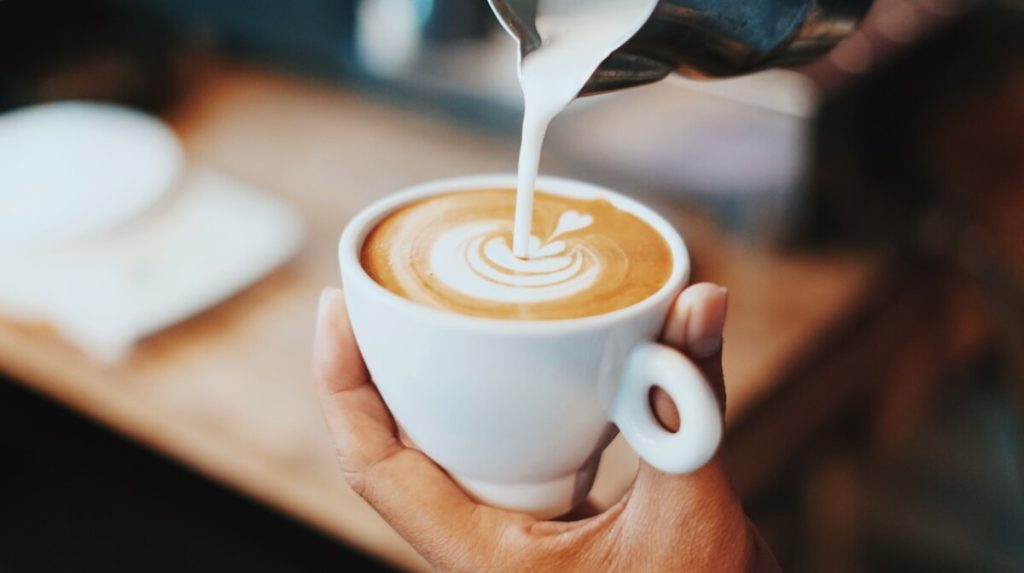
There’s something undeniably captivating about the rich aroma of freshly brewed coffee. It’s not just about a quick caffeine fix anymore; coffee has become an experience. Whether you’re sipping it in an independent café while catching up with a friend or brewing it yourself at home in the morning for you and your partner, there’s a growing appreciation for quality that’s shaping the coffee culture.
Gone are the days when a generic coffee blend would suffice. Instead, you’re seeing more and more people asking for specific roasts and carefully brewed cups of coffee.
What is “speciality coffee” and what makes it different
Speciality coffee stands apart from the standard coffee you find in most chain stores because of its focus on quality. Simply put, it’s coffee that scores 80 or more on a 100-point scale, assessed by professional tasters. What truly sets it apart is the attention to detail at every stage: from how it’s grown and harvested, to the roasting process, and ultimately the brewing method.
Farmers, roasters, and baristas work together to ensure every step adheres to strict quality standards. For instance, beans are often harvested at their peak ripeness and processed carefully to preserve the flavours. Roasting is often done in small batches to bring out the best characteristics of each variety. The aim is to highlight the natural flavours of the coffee, whether that’s fruity, nutty, or floral, rather than simply making a generic, one-size-fits-all brew.
Why demand is growing
As more UK consumers seek out higher-quality experiences, demand for speciality coffee is on the rise. Gone are the days when most people simply wanted a quick, mass-produced caffeine hit. Instead, there’s a noticeable shift towards premium, ethically sourced options. UK consumers are seeking more refined coffee drinks, from carefully pulled espressos to single-origin pour-overs, rather than defaulting to mass-market blends.
Many coffee lovers are choosing to brew their own cups at home with higher-end beans, while others are flocking to independent cafés where the focus is on quality and craft. People are now more likely to pay extra for a cup of coffee that has a distinct flavour profile, sourced from specific regions, and roasted with care.
The role of artisan roasters
The rise of independent coffee shops and artisan roasters has been central to the growth of speciality coffee. These smaller businesses focus on treating coffee as a craft, much like the rise of craft beer or wine. Baristas have become educators, helping customers appreciate the nuances of single-origin beans and precise brewing methods.
What this means for the future
Looking ahead, the growth of speciality coffee in the UK promises both exciting opportunities and challenges. For one, as demand for higher-quality coffee increases, you can expect to see even more independent cafés opening across the country. At the same time, interest in home-brewing will likely continue to rise, with more people investing in equipment and exploring the world of speciality beans.
However, there are hurdles to overcome. As consumers continue to prioritise ethical sourcing, the industry must adapt to meet these expectations while balancing cost and quality.
Ultimately, consumers will continue to shape the future of coffee. Whether it’s by valuing quality over convenience or demanding greater transparency about sourcing, the speciality coffee movement should evolve to meet their needs.