From the Rebecca Riots to Caffi Beca: The West Wales Village Where History (and Great Food) Lives On
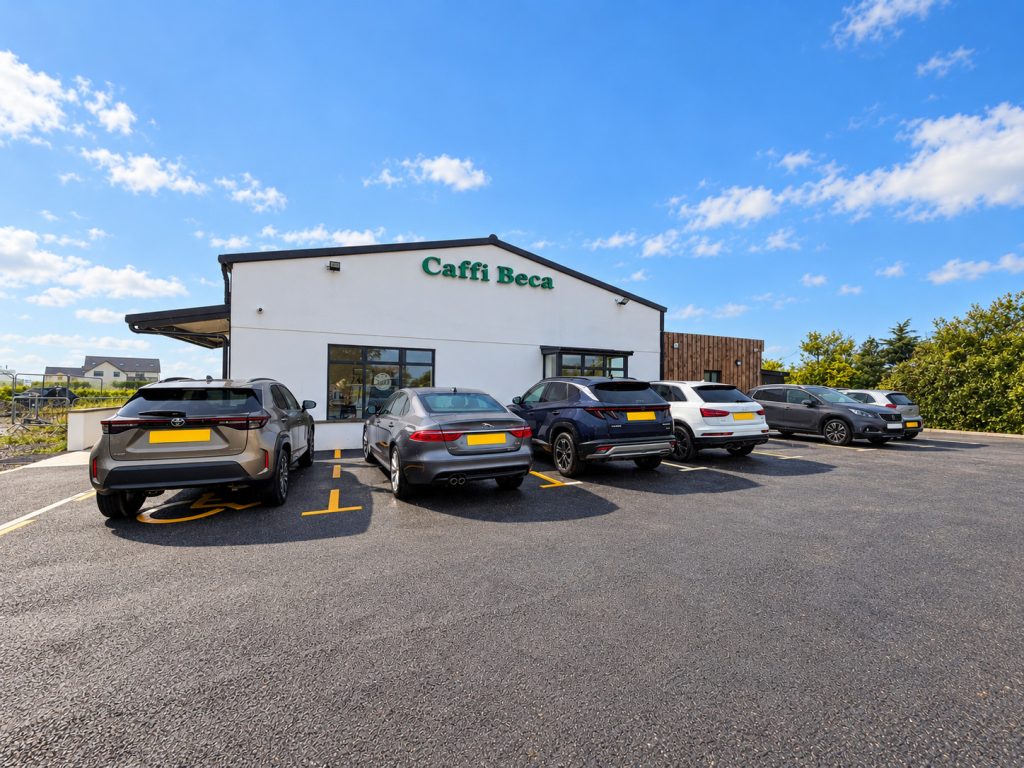
Image: Lisa Baker
Written by Lisa Baker
Having rented a seasonal pitch this year in Trefach Holiday Park, a family friendly park which is close to the boundary between Pembrokeshire and Carmarthenshire, we have been spoiled with delicious dinners in the on-site restaurant – and as big foodies (and lazy cooks!) we have also enjoyed many delicious meals in a very special nearby café stop in Efailwen called Caffi Beca, both of which we can highly recommend.
We can particularly recommend their delicious breakfasts at this friendly little local venue – but it would be remiss of me to not also recommend a visit to learn more about the history of this tiny village and it’s part in the Rebecca Riots, a campaign against road tolls which began in 1839 and would spread across much of west Wales – Caffi Becca is a great place to learn more and is well worth a visit in it’s own right.
The riots took place in one of the most striking chapters in Welsh history – and something I had heard nothing about despite living in Wales for over 20 years. Today Caffi Beca carries that history in its name. Nearby you can find a roadside memorial marking the location of the tollgate whose destruction helped launch the Rebecca Riots.
For visitors travelling through the area, as well as a convenient and delicious food stop, the café and its surroundings offer an opportunity to discover why farmers and agricultural workers dressed in women’s clothing, gathered under cover of darkness and began tearing down the gates that stood between them and their livelihoods.
Why did the Rebecca Riots begin?
The first attack at Efailwen took place on 13 May 1839. Its target was a tollgate on a route used by farmers transporting lime from the coast to improve their agricultural land.
Roads were managed by turnpike trusts, which collected tolls intended to fund their maintenance. For small farmers, however, repeated charges could turn an essential journey into a substantial expense.
The gates became a visible focus for anger in communities already struggling with poor harvests, rents and other financial demands. Destroying them challenged both the charges themselves and the people who controlled them. The Efailwen gate was rebuilt and attacked again, establishing a pattern that would become familiar elsewhere.
One of the figures most closely associated with the first attack was Thomas Rees, better known as Twm Carnabwth. Remembered locally as a powerful and formidable character, he became a folk hero through his connection with the uprising.
Who were Rebecca and her daughters?
The protesters became known as Merched Beca — Rebecca’s daughters. Many wore women’s clothes and concealed their faces, making identification more difficult while giving their actions a distinctive theatrical character.
There was, however, no single woman called Rebecca directing the entire campaign. The name became a shared identity, with different groups adopting it and its origins remain uncertain. One explanation links it to a passage in Genesis about Rebecca’s descendants possessing their enemies’ gates. Another local tradition connects the name with a woman whose clothes were borrowed for the protests.
As historian Lowri Ann Rees of Bangor University explains in her account of the unrest, the precise reason for choosing the name is not known.
A protest that spread beyond the tollgates
Following the first disturbances, the movement gathered renewed strength in late 1842 and reached its height in 1843. Attacks spread across Carmarthenshire, Pembrokeshire and Cardiganshire, with unrest reaching other parts of Wales.
The anger extended beyond the cost of road travel. The workhouse system, poverty and the power exercised by landowners and local officials also became targets.
The campaign included intimidation and serious violence. Tollkeeper Sarah Williams was killed during an attack at Hendy.
Authorities deployed troops, made arrests and prosecuted participants. Some convicted rioters were transported overseas. A government inquiry also examined the grievances behind the unrest, and reforms in 1844 brought greater regulation of the turnpike trusts. The gates did not all disappear, but the campaign had forced attention onto the system.
You can learn more about the history of the area on the Caffi Beca website here: https://www.caffibeca.co.uk/history
Caffi Beca’s connection with the story
In modern-day Efailwen, Caffi Beca provides a place to learn more about local history and enjoy delicious food near where those events began.
The café’s own historical account places the original tollgate site around 200 yards south of the business, marked by a roadside stone. Its name keeps the connection with Rebecca’s daughters visible to customers who might otherwise pass through without knowing the village’s significance.
Serving home-cooked meals, cakes and sandwiches, the café also provides space for community gatherings and private functions. It sits within the wider Preseli area, where local history, Welsh language and rural life remain closely connected.
The business has undergone a substantial redevelopment. In an announcement published in December 2025 and updated in January 2026, the Development Bank of Wales reported that Caffi Beca had received a total of £260,000 in loan support.
The funding supported a replacement café building, business growth and energy-saving measures, including solar panels and an air-source heat pump. A mural depicting the Rebecca Riots was also moved from the earlier café to the new building, preserving a direct visual link with the history behind its name.
For anyone exploring this part of west Wales, Efailwen offers far more than a convenient refreshment stop when driving along the A48 towards Cardigan – Caffi Beca is perfectly situated on the left as you drive through the village, complete with images, sculptures and murals depicting the historical events.
The nearby tollgate memorial and food stop connects an everyday village setting with a period when rural communities forced their grievances onto the national stage. Whether you are looking for great food, or simply looking to learn more about Welsh history, this place is well worth a visit!
Sources and further information