From Truffles to Tuna: Why Some Ingredients Cost a Fortune
Ever picked up a menu in Mayfair and felt your jaw drop at the price of a truffle-topped tagliatelle? You’re not alone. Some ingredients carry price tags so hefty they could buy you a round of pints in a London pub.
But why do mushrooms, spices and fish cost an arm and a leg? Pull up a chair, let’s dig in.
The Allure of White Alba Truffles
I still remember the first time I tasted a shaving of white Alba truffle on creamy risotto—absolute heaven, but it cost me £120 for a whisper of flavour. White Alba truffles can fetch between $5,000 and $15,000 per kilogram, a price driven by their elusiveness in Piedmont’s oak woods and the fact they cannot be farmed. Foragers rely on sniffer dogs (and sometimes pigs) to unearth these underground gems over a scant few weeks each autumn.
Bad weather? Rainstorms? Supply vanishes, and so do the generous shavings on your plate. It’s like owning a tiny piece of Michelin-star magic—if you can spring for it. And this is what makes it one of the world’s most expensive foods.
The Bullish Market for Bluefin Tuna
Switch scenes to Tokyo’s Toyosu Market, where a single bluefin tuna once smashed records at a staggering $3.1 million. That works out at around $3,000–$5,000 per kilogram. You read that right—it’s effectively liquid gold in sushi form. Demand from high-end sushi bars in Ginza and Shibuya skates off the charts, while overfishing and strict quotas keep wild catches perilously low. The result? Chefs will splurge just to get that melt-in-the-mouth otoro belly, and punters will happily fork out for a sliver. In short, it’s rarity plus hype, seared on the global palate.
Spice, Sparkle and Swagger
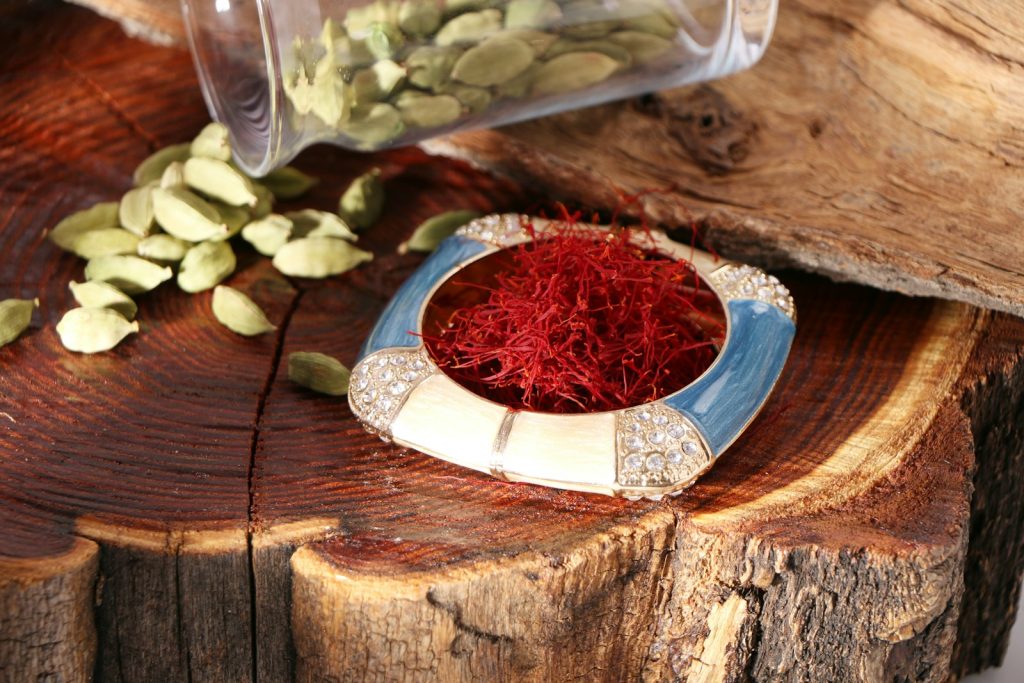
Ever sprinkled saffron into a paella? Three threads can colour a pan, yet cost more than their weight in gold. Harvesting the stigma of 150,000 crocus flowers by hand is neither quick nor cheap.
Then there’s edible gold leaf—utterly tasteless, 100% visual flair—turning any petit four into a five-star spectacle. It’s theatre on a plate, frankly.
Why Labour, Rarity and Reputation Rule the Roost
Nature limits supply. If only a handful of pigs roam on acorns or moose yield just 1 litre of milk a day, prices skyrocket.
Hand-picking, ageing and foraging add layers of cost. No large-scale farms here; it’s artisanal every step of the way.
And of course, chefs and foodies crave bragging rights. Eating these luxuries says something about you—your wallet, your tastes, your Instagram feed.
Bold? Yes. Outrageous? Perhaps. But dial back and think: which cheaper ingredient can rival the heady aroma of truffle or the buttery richness of top-grade tuna? Few, if any. For many, it’s not just food—it’s an experience worth the splurge.
So next time you balk at your bill, remember: you’ve dined on the world’s most expensive food and drink. And that, dear reader, is priceless.
Enjoyed this deep dive? Fancy sharing your most extravagant foodie moment or experience? Leave a comment below and let’s swap stories. I can’t wait to hear from you.